

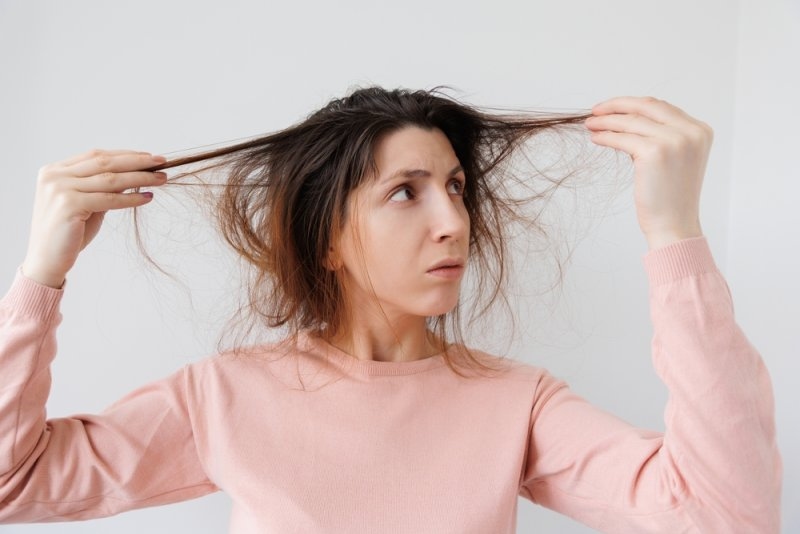
Rough hair is one of the most frequently encountered conditions of the hair, and the hair has a rough texture as it appears dull and unmanageable. Fortunately, rough hair can usually be improved with simple practices.
Selection of appropriate rough hair treatments, knowledge of tips for making hair better, and consistent use of moisturizing products will replenish the softness of your hair, increase strength, and maintain its healthy appearance long-term.
Moisture is essential for healthy hair; hair loses its natural oils and becomes rougher, frizzier, and more likely to break. Everyday actions like frequent washing, heat styling, and chemical processes remove moisture from the hair. Effective rough hair treatments substitute the lost moisture and prevent more damage; knowledge of how to fix dry hair means you require consistent habits rather than rapid solutions.
Understanding how hair came to be dry is an excellent preliminary step toward selecting a dry hair treatment. Some of the more obvious causes include:
Knowing the cause allows for optimal selection of dry hair remedies and treatment for damaged hair that are specific to the user's individual requirements.
Recommended Article: Best Frizzy Hair Remedies for Smooth, Frizz-Free Hair
Many people are constantly looking for how to fix rough hair; however, the solution lies in the routine practices one indulges in daily. There is often a noticeable difference after just a few weeks of slight changes. Shampoo hair less frequently and rinse using lukewarm water only instead of hot water.
All of the products on the market for rough hair perform differently, so what is recommended depends on your personal hair type and your lifestyle.
Intense hydration with dry hair masks can replenish more moisture than conditioners alone. These hair treatments, when used one or two times weekly, will make the hair easier to manage and softer, and they can cut back on breakage. Rough hair treatments that are enriched with various ingredients will make even rough hair more manageable as they keep moisture present for longer.
Leave-in products moisturize your hair throughout the day. If you plan on spending a significant amount of time in weather conditions that dehydrate your hair or if you frequently use a blow dryer, it's beneficial to know how to fix dry hair using these products because they reduce friction and protect from moisture loss.
Coconut oil, argan oil, avocado oil, and olive oil are all natural and useful for retaining moisture in hair. Just a small portion applied to the ends of the hair will help manage dryness without greasiness; hair oils also function well with other rough hair treatments.
A regularly used dry hair mask adds more nourishment to stressed and rough hair than a conditioner alone. Look for hair masks for dry hair that contain shea butter, coconut oil, natural proteins, honey, and aloe vera. Using a mask for rough hair will smooth the hair cuticle and add shine.
Apply hair mask for rough hair to strands from midway to the ends and leave for the amount of time indicated in the instructions. Using a rough hair mask for rough hair once or twice weekly complements the rest of your hair treatments for rough hair. A hair mask for dry hair can also provide extra benefits to colored and chemically processed hair.
If the hair is dry and also split and breaking, then a full treatment for damaged hair is essential. Hair trimming is necessary before using other treatments because hair cannot be healed from split ends. Use moisturizing hair treatments combined with protein products once or twice per month to increase hair strength without overwhelming it.
Reduce the frequency of blow dryers and straightening irons, avoid tight hairstyles, and sleep with the hair on a satin pillow to diminish friction. Utilizing these habits with a moisturizing dry damaged hair treatment will slowly restore beautiful and healthy hair over time. The right approach is to use many different types of rough hair treatments together instead of just one at a time.
Many of us are drawn to the thought of simple, natural remedies for rough hair that we can use at home. Some useful homemade dry/rough hair remedies include:
These rough hair remedies work naturally and will continue working when used consistently with an appropriate all-purpose hair treatment for rough hair. If you are still on a quest for how to fix rough hair, remember consistency is the key, and not so much what you are using.
Even the best treatment for rough hair cannot work well when you continue with certain bad habits:
Avoiding these will allow the remedies for rough hair and the treatment for damaged hair you are currently following to work the best they can.
Rough hair does not become less dry overnight, but by consistently using the correct rough hair treatments, hair mask for rough hair, hair for damaged hair treatment, and rough hair remedies, you will see the health of your hair transform. Making sure you know how to fix rough hair through habits and other means is crucial for strength and moisture retention.
If you have rough hair, you may consider washing your hair no more than 2-3 times a week rather than every day. This practice reduces the strips of moisture from the hair by cleaning away the oil produced in it. Using hair cleanser for soft and supple hair will also aid the improvement of softness & suppleness in the long term with continuous application of conditioner on the hair.
Yes. Air, sunshine, wind, and low humidity can extract moisture from hair and scalp. Wear a hat in extreme sunlight and wind outdoors. The best advice for you if the hair has the condition of becoming extra dry due to winter weather, is to try a leave-in conditioner after washing and drying hair, and/or use the protective oil for hair.
Air drying is easier on your hair since it doesn’t get heated with air directed at it. If you need to use the hair dryer, opt for the low or medium setting and apply heat protectant first. Furthermore, to avoid dry ends, continue to move the blower to keep the hot air from focusing on a single point.
You should see a hair specialist/stylist if your hair is not improving with a consistent care program that includes treatment for several weeks. Also, you should visit your physician/hair specialists when hair loss is too much or hair breaks really quickly and a lot, or if you are getting severe dandruff on the scalp with or without rough hair.
This content was created by AI