

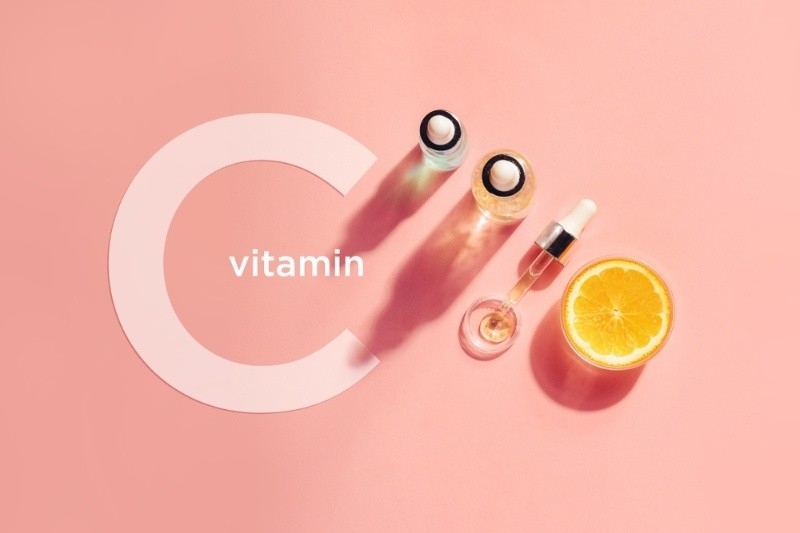
Healthy skin does not usually come from using one product. Most doctors who treat skin problems believe that using ingredients that work together is a better way to achieve lasting results. There are two ingredients that always seem to work: vitamin C and retinol. Vitamin C and retinol are both very good on their own. When you use them in the right way, they can help you get skin that looks brighter, smoother, and younger.
Many people are afraid to use vitamin C and retinol because they think they might irritate their skin or interact with other skincare products. The good thing is that vitamin C and retinol can be used together safely if you use them at different times of day and add them to your skincare routine gradually. If you know how vitamin C and retinol work and how to use them properly, you can get the things from them without hurting your skin.
Vitamin C is really good at helping our skin deal with things like pollution and the sun. It also helps our skin produce collagen, which keeps it looking firm and healthy. If we use vitamin C regularly, it can help get rid of spots and make our skin look less dull and healthier.
Retinol is different from vitamin C. It is related to vitamin A. Retinol helps our skin shed cells and replace them with new ones. This makes our skin look smoother, reduces lines, and helps unclog pores. It also makes our skin tone look even. Because retinol works in our skin, people often use it to help with acne, wrinkles, and other visible signs of aging. So vitamin C helps protect our skin and makes it look bright, and retinol helps renew our skin and fix problems. Vitamin C is about keeping our skin safe and looking good, and retinol is about making our skin new again and fixing damage.
I think it is better to use them one at a time. Vitamin C and retinol are both very strong. Using them together can be too much for your skin, especially if you are just starting out. Using vitamin C and retinol separately is a good idea because your skin can benefit from each without irritation. This way, your skin gets what it needs from vitamin C and retinol without getting too sensitive.
A lot of skincare experts say to do it this way:
Introducing active ingredients too quickly can lead to redness, dryness, or peeling. A slow and consistent approach helps your skin adjust comfortably.
Start by applying vitamin C serum every morning after cleansing. Follow it with moisturizer and sunscreen. Retinol should begin at just two to three nights per week before gradually increasing frequency as your skin builds tolerance.
Hydration also plays a major role. Using a gentle moisturizer after applying retinol reduces dryness and supports the skin barrier. People with sensitive skin should consider lower-strength formulas and avoid mixing these ingredients with other strong exfoliants unless advised by a dermatologist.
Creating a balanced routine helps your skin gain the maximum benefits of both ingredients while reducing the risk of irritation. Consistency is more important than using large amounts of product. Small, regular applications deliver better long-term results. Here is your ideal guide to using vitamin C and retinol together:
Read More: Can Stem Cell Skincare Deliver Radiant Anti-Aging Results?
Choosing between vitamin C and retinol depends on what you want to achieve with your skin. They work differently. Have different benefits. If you want your skin to look bright and be protected from harm, vitamin C is a choice. Vitamin C helps with glowing skin and protection against damage. If you are worried about wrinkles, acne, or rough skin, retinol might be a better option. Some people achieve results by combining vitamin C and retinol in a skincare regimen. Using both vitamin C and retinol can help you get the skin you want.
Feature | Vitamin C | Retinol |
| Main Purpose | Brightens and protects skin | Renews and repairs skin |
| Best For | Dullness, pigmentation, uneven tone | Wrinkles, acne, rough texture |
| Key Benefits | Improves radiance and boosts collagen | Increases sun sensitivity |
| Usage Time | Morning | Night |
| Skin Type | Suitable for most skin types | Gradual improvement over months |
| Sun Impact | Works well with sunscreen | Best for normal, oily, combination skin |
| Result Speed | Visible glow in weeks | Visible glow in weeks |
Vitamin C and retinol are still two of the ingredients in skincare. They work well for a reason. One helps protect your skin from damage and makes it look brighter. The other helps replace skin cells to make your skin look smoother and reduce signs of aging. Vitamin C and retinol do all these things. They are good for your skin. People trust vitamin C and retinol. When used correctly and at separate times of day, they work as a complementary pair rather than competing treatments.
Patience is essential. As your skin adjusts and gets better, you will see results little by little. If you take care of your skin with a routine, put on moisturizer, and use sunscreen every day, these ingredients can help your skin be healthier and look nicer and smoother over time. Your skin will be more radiant over time.
Must Try: Skin Nutrition Supplements Guide for Glowing Healthy Skin
Yes, but apply them at different times. Vitamin C is best used in the morning, while retinol should be used at night.
Vitamin C is usually easier for beginners because it is gentler on the skin. Retinol may require gradual introduction to avoid irritation.
Vitamin C may show brightening effects within a few weeks. Retinol typically takes several weeks to months to improve wrinkles and skin texture.
This content was created by AI